
When it comes to late-fall gardening, doing less is often the smartest move. Right now, your landscape is mostly going dormant to survive the freezing temperatures ahead. If you interfere with the wrong tools or the wrong food, you can accidentally wake up their system at the worst possible time. Stunting the plant’s future.
Let’s look at what your yard actually needs in late fall and how working with nature saves you a whole lot of backache.
Late-fall pruning is a bad idea. If you prune spring-flowering shrubs right now, like forsythia, lilacs, traditional azaleas, or mophead hydrangeas, you are literally cutting off next spring’s flowers. Those plants spent all of late summer packing flower buds into their stems, waiting for next spring. If you cut them now, and your flowers are going in the trash.
If you are tired of playing guessing games with your pruning, consider refreshing your foundation plantings with naturally compact plants like the Encore Azaleas or the Perfecto Mundo series reblooming azaleas. Plant breeders spent years developing these dwarf and low-growing reblooming varieties to top out at a manageable height while blooming in spring, summer, and fall. Because they naturally stay compact, they require little to no pruning. You get three seasons of color, and your front windows stay uncovered.
Hold the Fertilizer, Except for the Little Guys
Shrubs are trying to go dormant, pulling their energy down into their roots like a bear heading into a cave. Fertilizer can force them to stay awake and produce soft top-growth right before winter hits.
However, there is one big exception: your winter bedding plants.
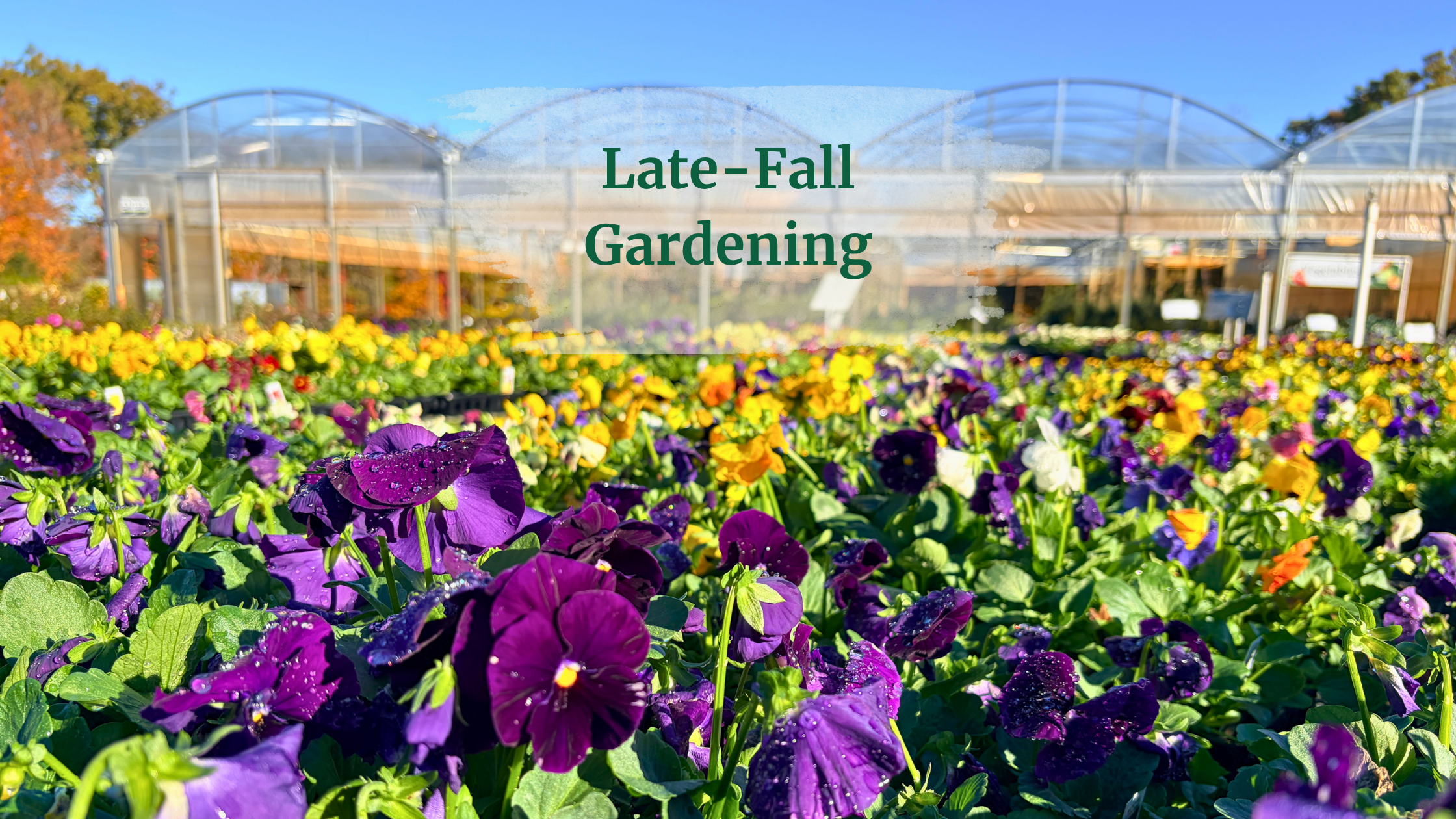
If you start to find crispy, frost-blackened skeletons of summer flowers hanging around, go ahead and pull them out. Replace them with cold-weather champs like pansies and violas. Unlike trees and shrubs, pansies aren’t going to sleep, they are actively growing and blooming through the cold months. Because cold soil slows down how quickly nutrients move, your pansies and violas actually need a good water-soluble or slow-release flower fertilizer right now to keep pumping out those bright, velvety faces all winter long.
Why November Is The Best Planting Month
While your shrubs’ leaves and branches are clocking out for the year, something is still active underground. Soil holds onto summer’s heat much longer than the air does. As long as the ground isn’t frozen solid, plant roots are still awake and stretching out.
That makes right now the absolute best window to plant:
- Evergreens and Foundation Shrubs: Planting hollies, boxwoods, camellias, or cedars now gives them months to establish deep root systems before they ever have to deal with the droughts or blazing heat of next July.
- Specimen Trees and Border Plants: Want a Japanese maple or a privacy screen of greenery? Put it in the ground today, and it will be established for next spring.
- Hellebores (Lenten Roses): Got a shady spot that looks dreary all winter? Hellebores are evergreen perennials with leathery, deer-resistant evergreen leaves that push out gorgeous, white, pink, or mixed varieties of flowers in the dead of winter when everything else is dormant, brown, and gray.
Finally, the thousands of oak, maple, and other leaves on the lawn.
From an ecological standpoint, fallen leaves are absolutely beneficial. As fungi and earthworms digest dead leaves, they turn them into humus that insulates plant roots and feeds the soil for free. If leaves fall into your shrub beds or woodland borders, leave them right where they are. Nature is actually mulching your garden for you.
On turfgrass, however, a thick, wet blanket of leaves blocks sunlight and traps moisture, which can smother your lawn and invite turf diseases. Rake or blow the heavy layers off the grass, but you don’t necessarily need to get rid of them. You can pile them into a corner of the yard to make “leaf mold” compost, or run them over with your lawnmower to chop them into tiny pieces that filter right back to the land.